Same-Day ShippingQuality Guaranteed

Hoists & Cranes

Hoists and cranes are essential material handling equipment for industrial facilities, warehouses, and manufacturing plants. This category includes components and accessories for lifting systems, with a focus on pulleys and related hardware. Our selection features...
1 products
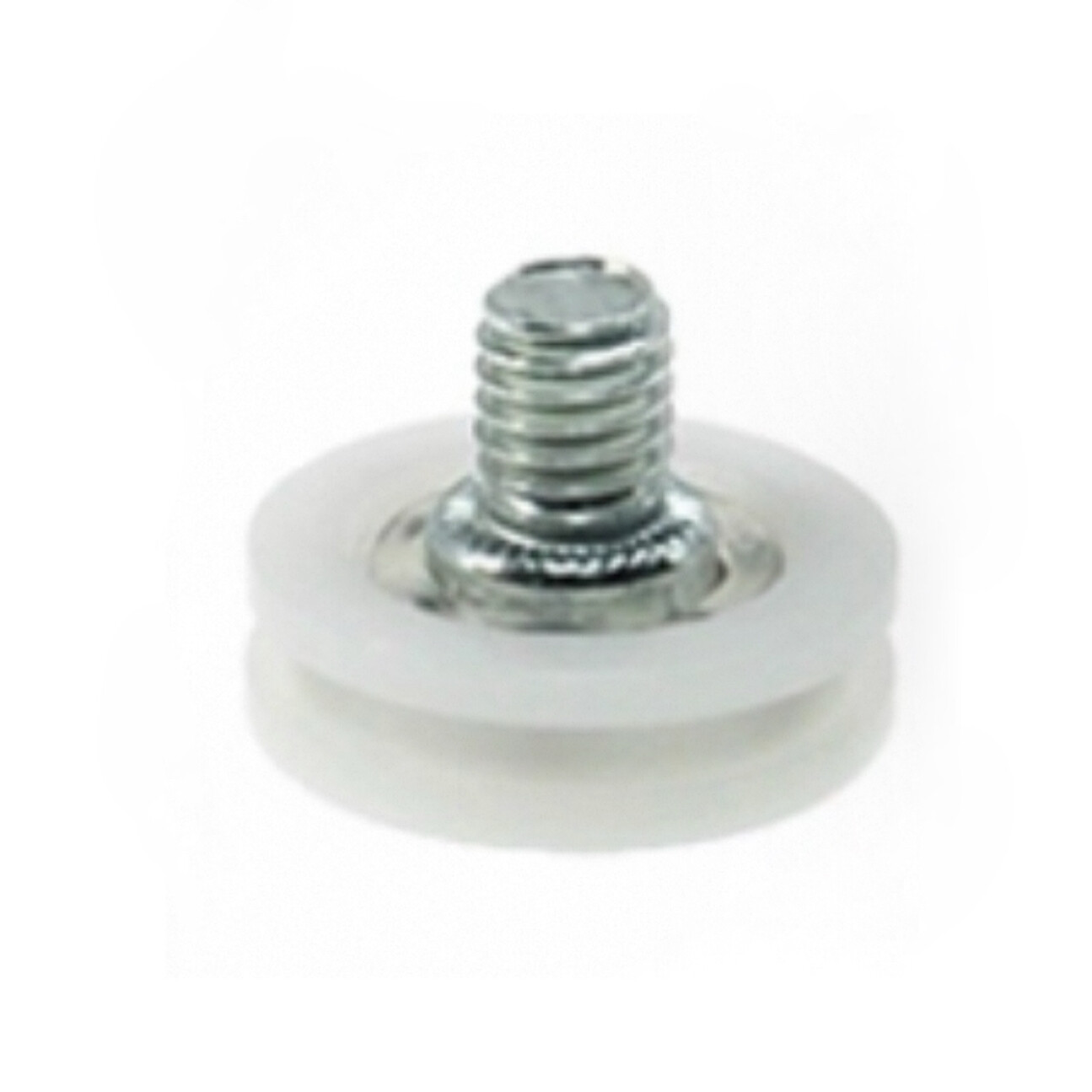
Nylon-Encapsulated Small Pulley with Nut, Diameter 0.98 in, Width 0.28 in, Load Capacity 22 lb
Unbranded|SKU: AE9176561
Nylon-Encapsulated Small Pulley with Nut, Diameter 0.98 in, Width 0.28 in, Load Capacity 22 lb

Nylon Encapsulation: Provides smooth operation, wear resistance, and noise reduction, suitable for light-duty material handling. Integrated Nut Design: Comes with an M6 nut, enabling direct and secure installation in pulley systems. Precise Dimensions: 25mm diameter and 7mm width ensure compatibility with specific machinery and equipment. Light Load Capacity: Rated for 10kg (22lb), ideal for applications like small conveyors, furniture casters, and light industrial tools. Customizable Availabili

$4.00 /eachIn Stock
Get Quote

How to Choose the Right Hoists & Cranes

When selecting pulleys and hoist components, the primary considerations are load capacity, mounting configuration, and material construction. Load capacity should be selected with a minimum 5:1 safety factor for overhead lifting applications. Consider both static and dynamic loads when specifying components, and always verify compatibility with existing equipment.

Dimensional specifications are critical for proper fit and function. Key measurements include pulley diameter, groove width, bore size, and overall width. Nylon-encapsulated pulleys offer advantages in corrosion resistance and reduced wear on cables or ropes, but may have temperature limitations compared to all-metal alternatives.

Installation and maintenance requirements should factor into component selection. Ensure mounting hardware and configurations match your application needs. Consider accessibility for inspection and replacement, as well as environmental conditions such as exposure to chemicals, moisture, or temperature extremes that could affect component performance and longevity.

Frequently Asked Questions

How do I determine the correct pulley size for my application?
Select pulley size based on three main factors: load capacity requirements, rope/cable diameter, and speed requirements. The pulley diameter should be at least 20 times the rope diameter for optimal operation. Always verify that the load capacity rating exceeds your maximum working load with appropriate safety factor.
What are the advantages of nylon-encapsulated pulleys over standard metal pulleys?
Nylon-encapsulated pulleys offer reduced noise operation, better corrosion resistance, and minimized wear on cables/ropes. They're ideal for clean environments and applications where metal-on-metal contact should be avoided. However, they typically have lower temperature resistance and load capacity compared to all-metal pulleys.
What safety standards apply to overhead lifting components?
Overhead lifting components must comply with ASME B30 series standards, particularly B30.10 for hooks and B30.9 for slings. OSHA regulations 1910.179 for overhead and gantry cranes also apply. Regular inspection and documentation are required for workplace compliance.
What is the typical lead time and minimum order quantity for pulley components?
Standard pulley components typically ship within 1-3 business days from stock. Custom configurations may require 2-4 weeks lead time. Minimum order quantities start at single units for standard items, with volume discounts available for bulk orders.
Can nylon pulleys be used as direct replacements for metal pulleys?
While nylon-encapsulated pulleys can often replace metal pulleys in light-duty applications, verify load ratings, temperature requirements, and dimensional specifications before substitution. Consider system requirements and environmental conditions, as nylon pulleys have different performance characteristics than all-metal versions.