Overview
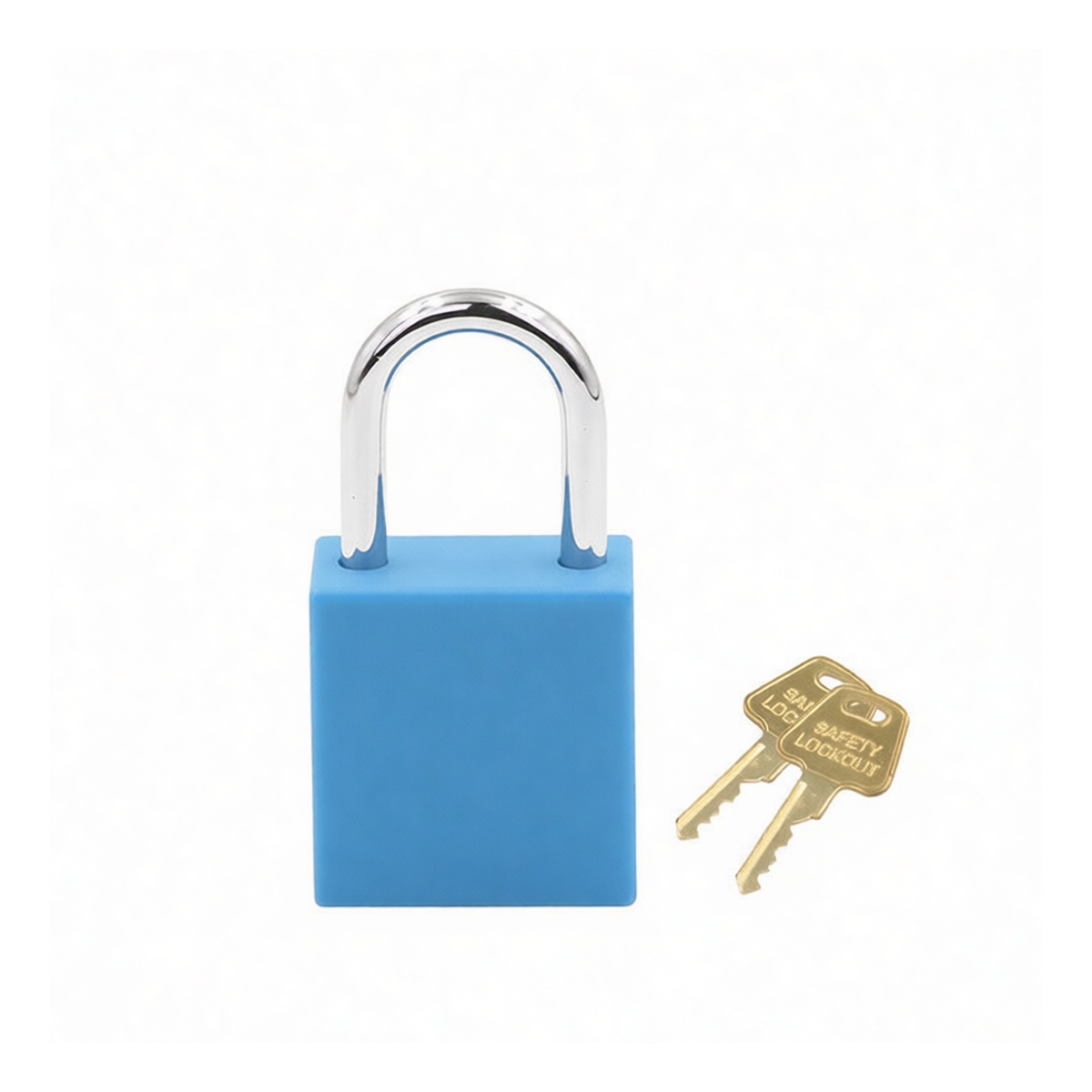
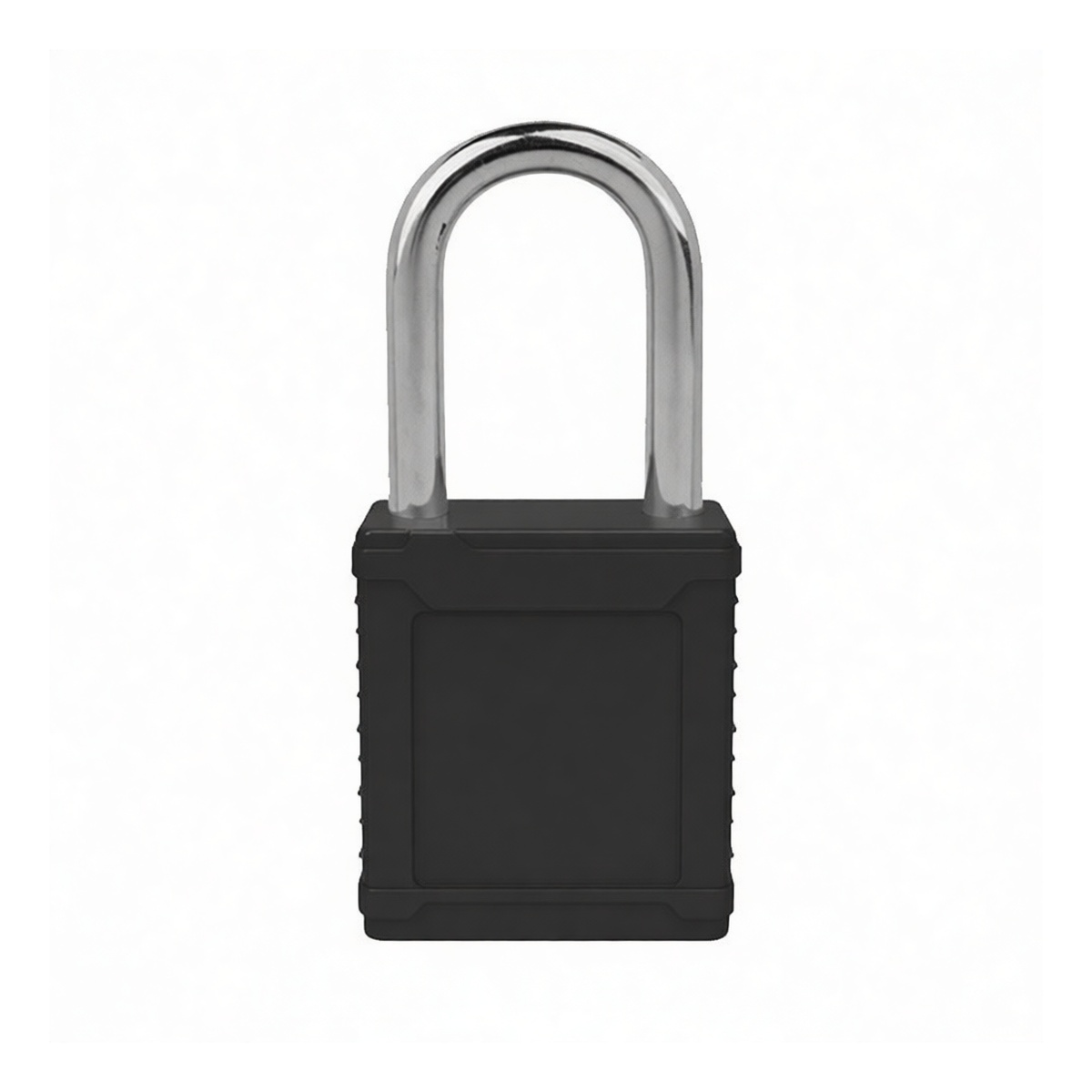
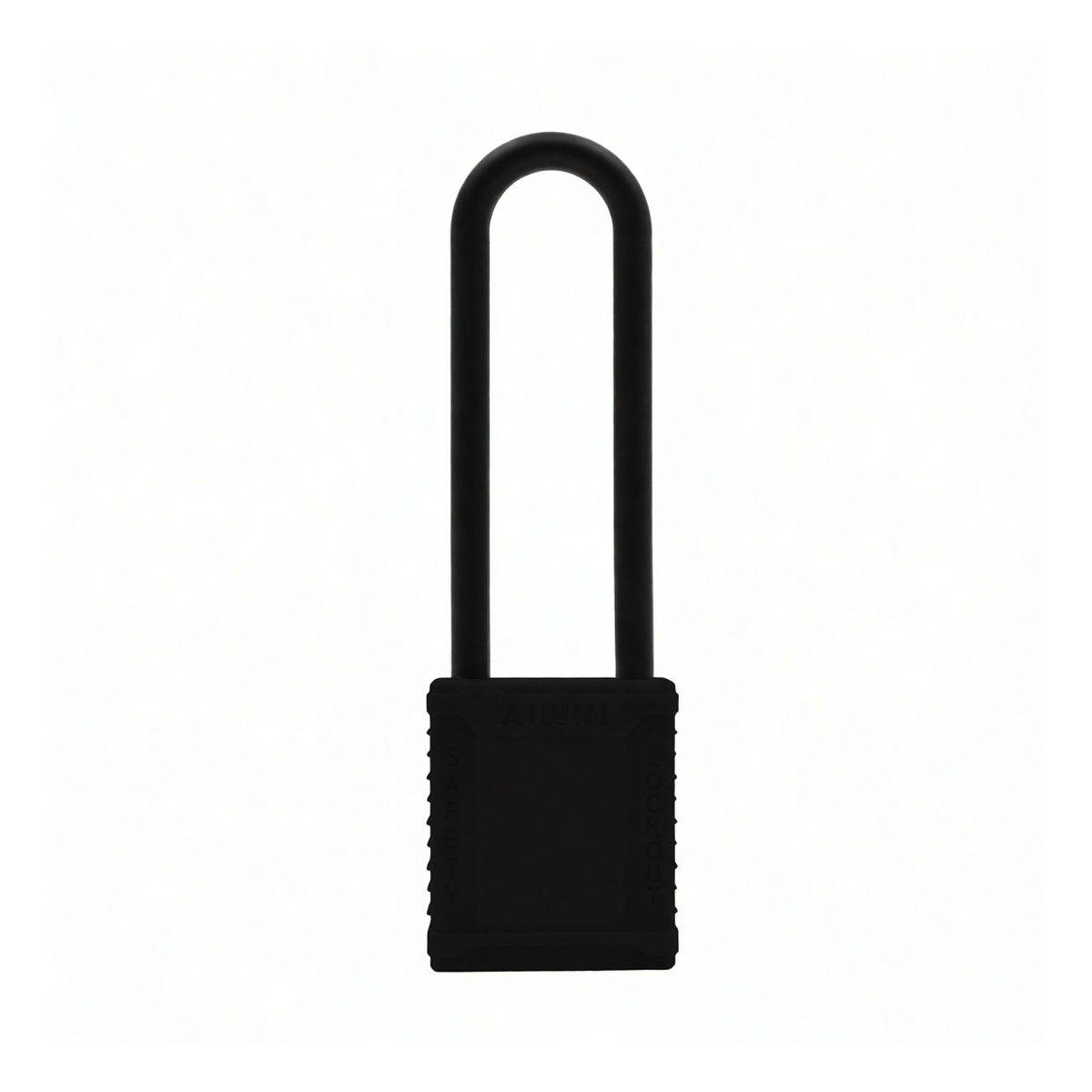
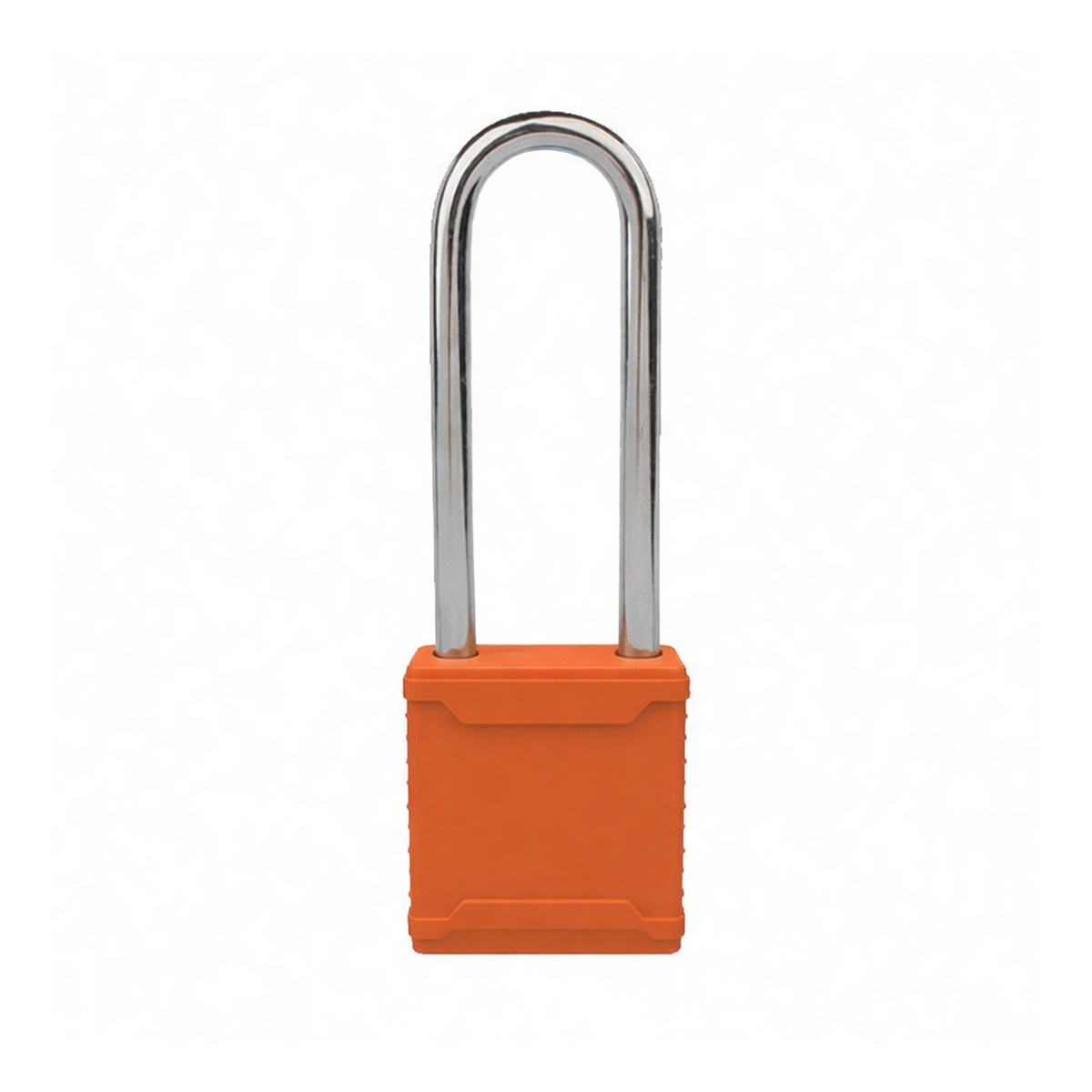
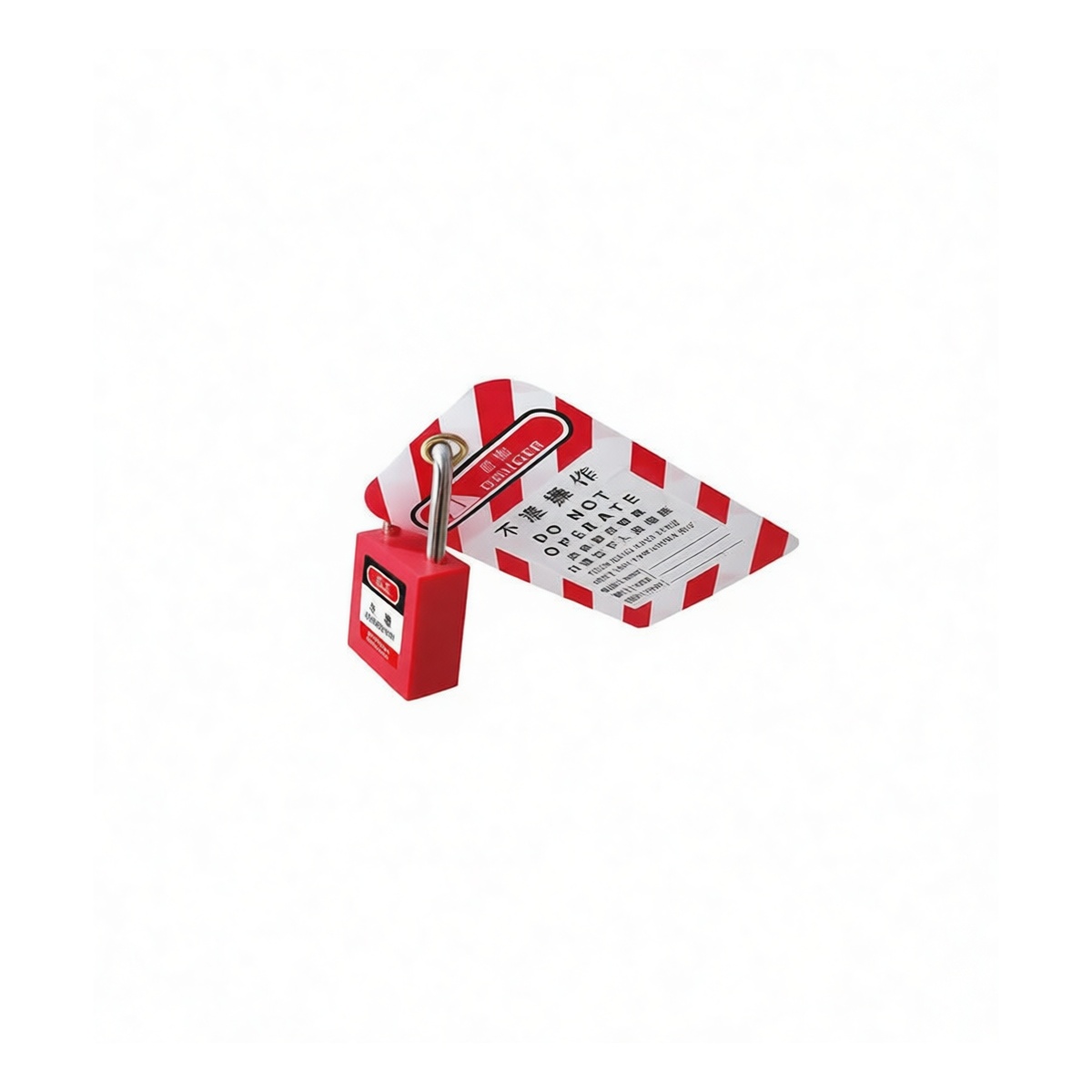
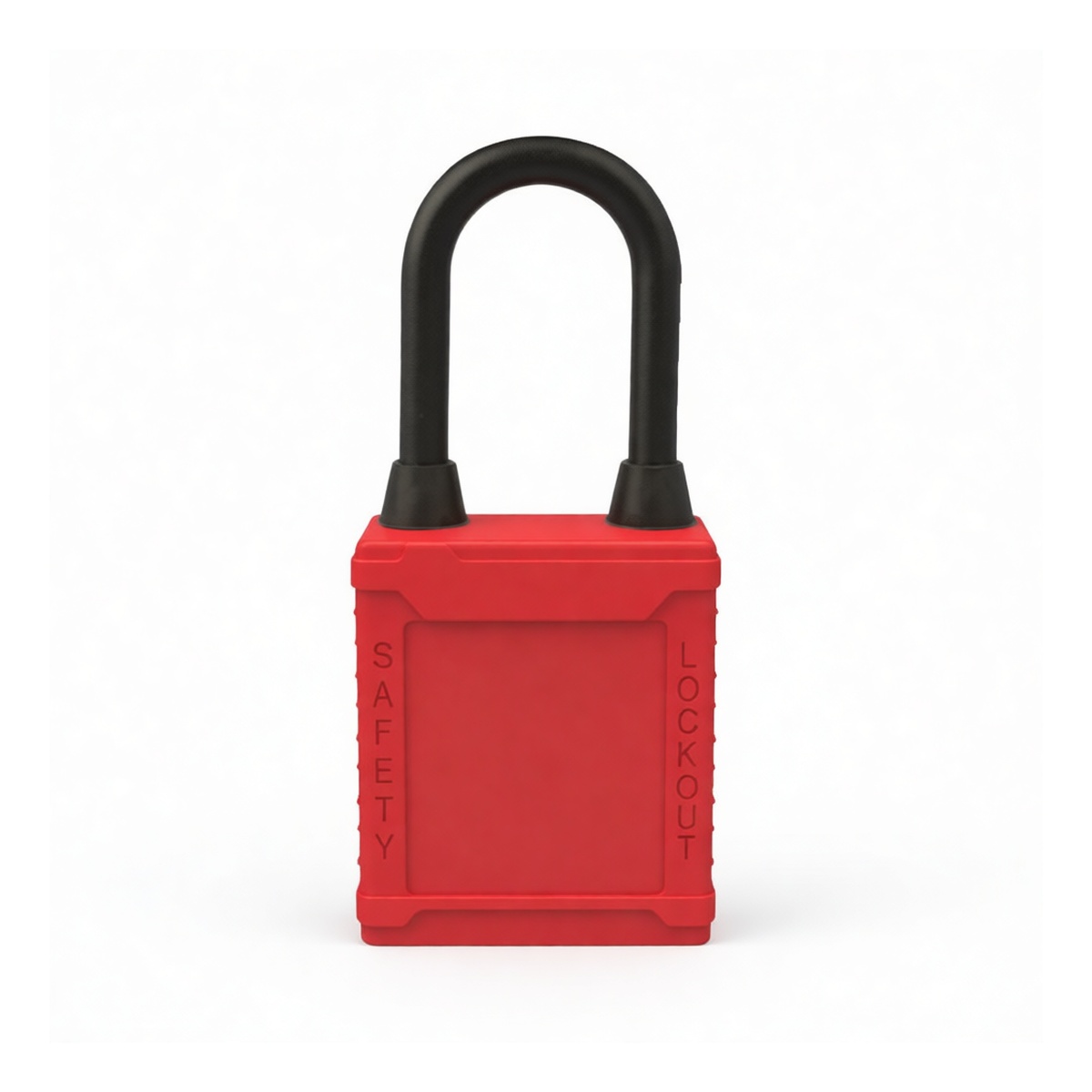
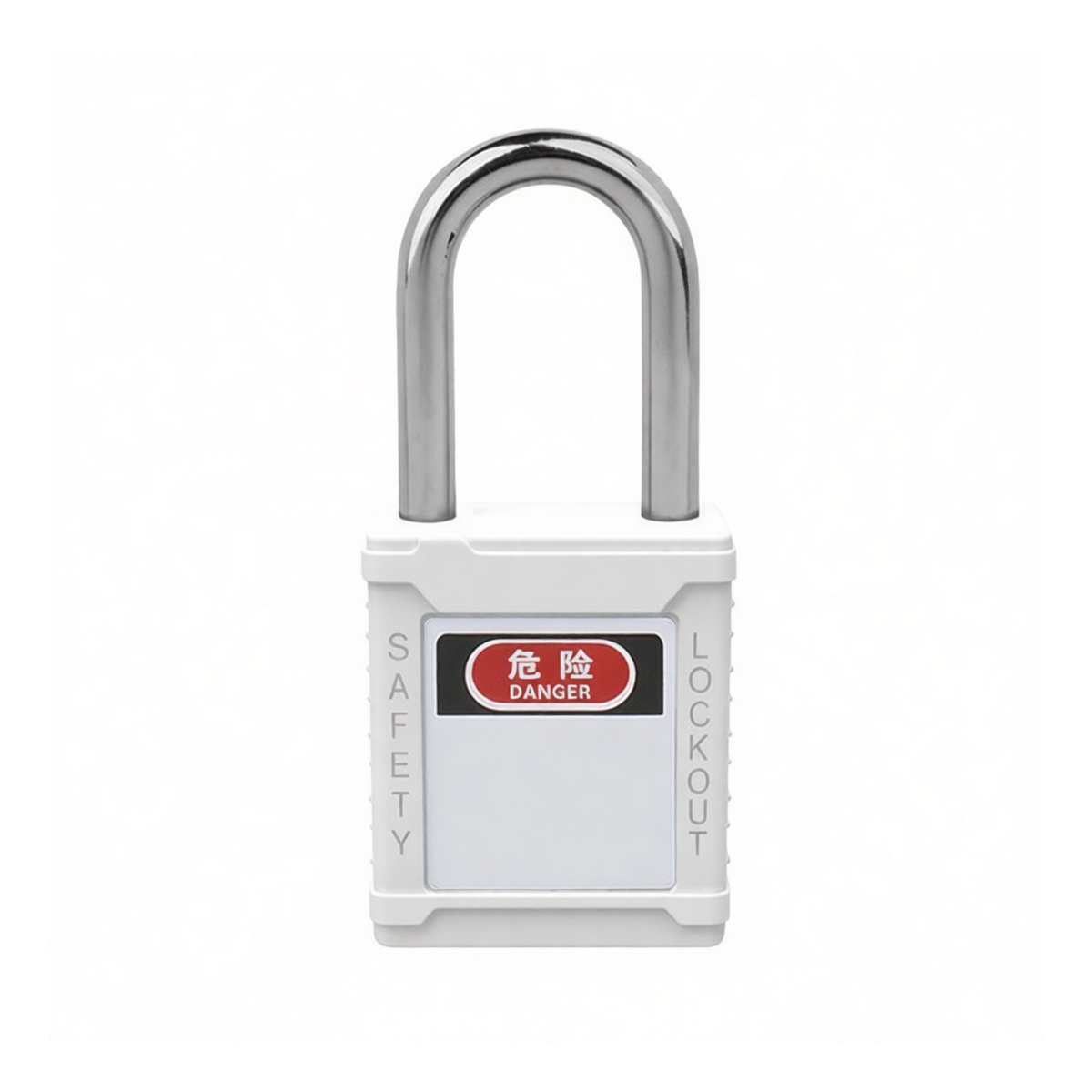
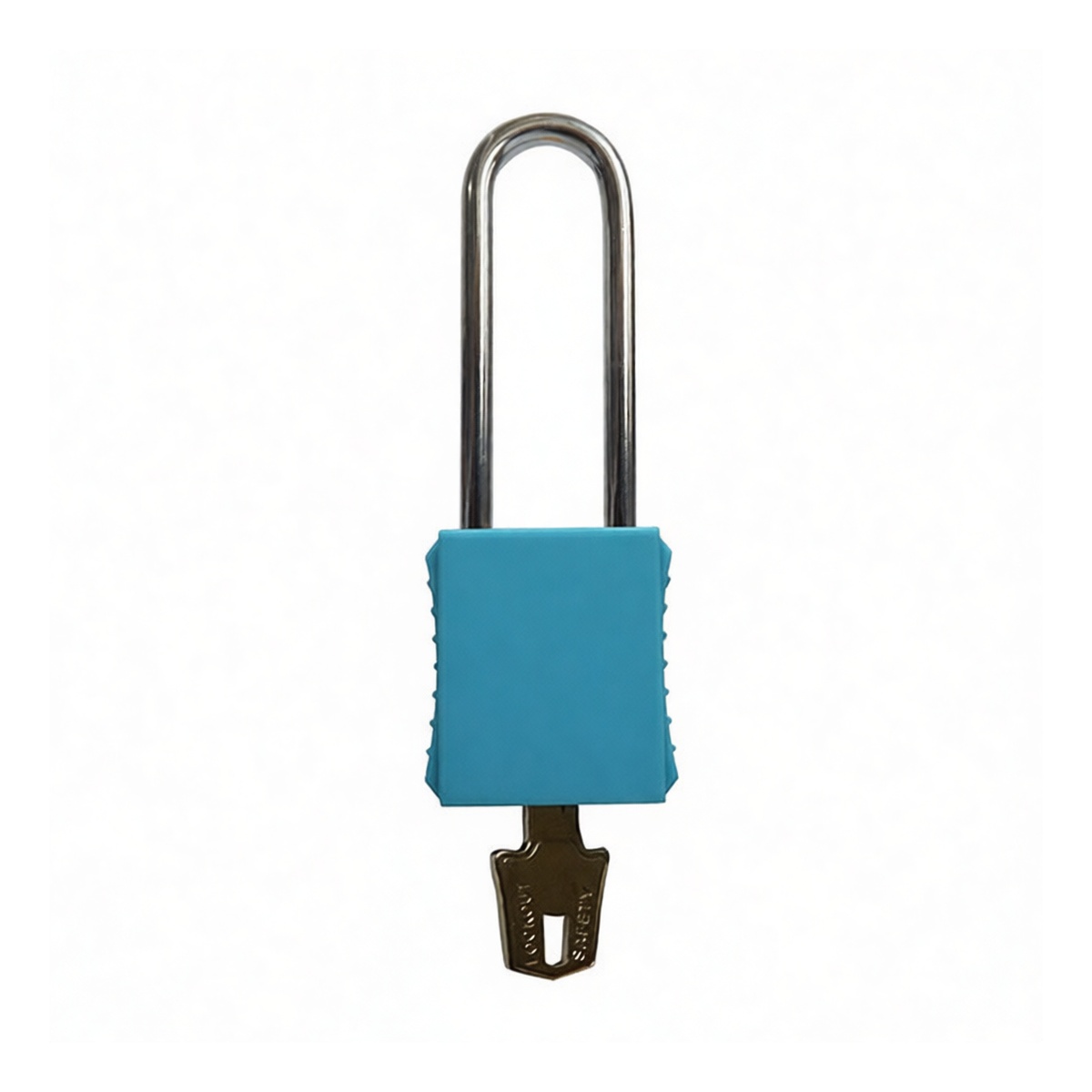
This plastic safety lockout padlock is engineered specifically for compliance with industrial lockout/tagout (LOTO) procedures. Its primary function is to physically secure energy isolation devices, providing a critical layer of safety for maintenance personnel by preventing the accidental or unauthorized re-energization of equipment. The lock is constructed from durable, non-conductive plastic, making it suitable for electrical safety applications and resistant to corrosion in damp or chemically exposed environments. Sold as a set of two with unique keying, this padlock facilitates both individual use and group lockout situations requiring multiple locks on a single hasp.
Key Features
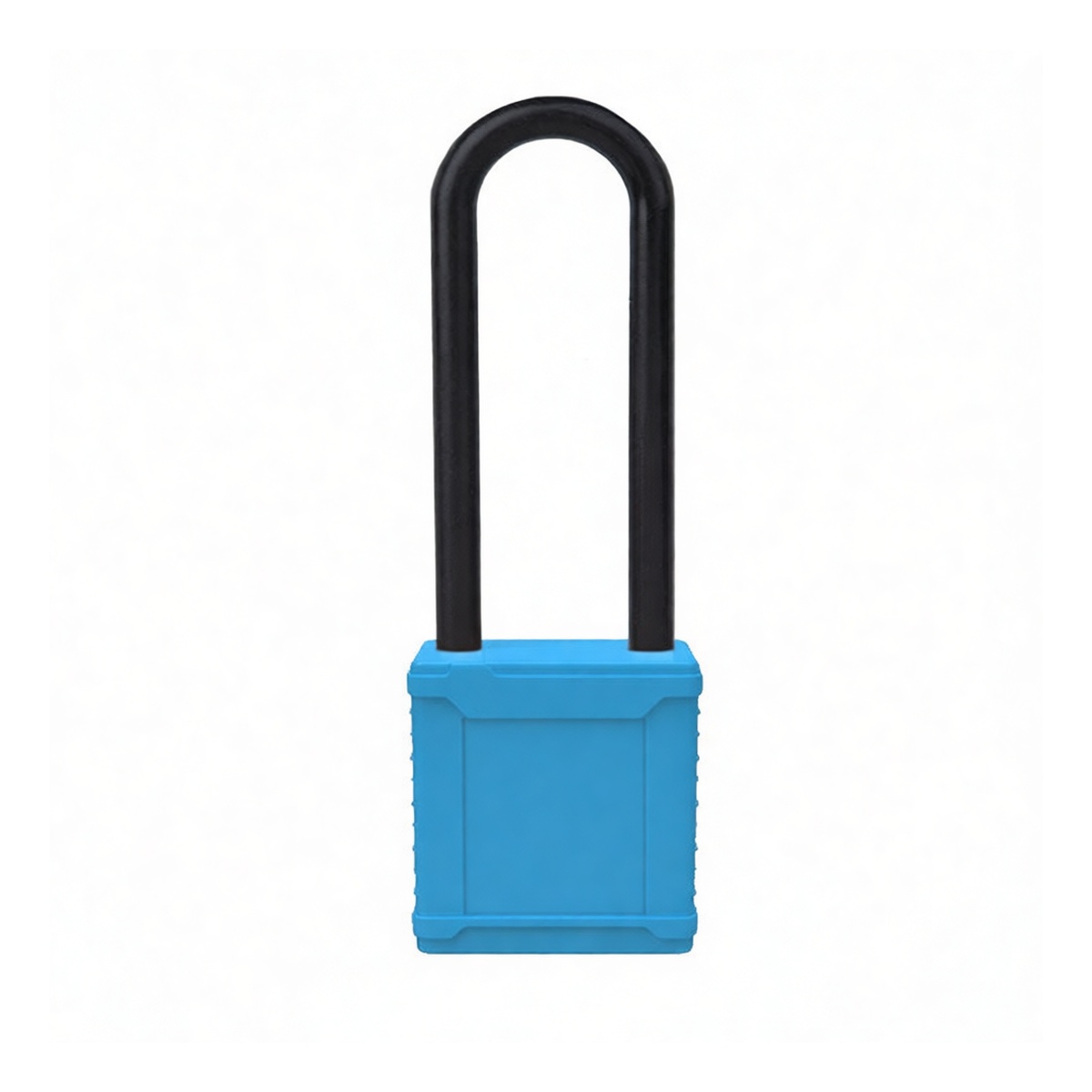
Constructed from high-strength, non-conductive plastic for electrical safety. Corrosion-resistant body and shackle for reliable performance in harsh industrial environments. 3.0-inch shackle height provides ample clearance for securing multiple locks on a hasp or through larger isolation points. 0.24-inch diameter shackle offers a balance of strength and flexibility for engagement. Each lock in the two-pack is keyed differently to ensure individual worker accountability. Bright blue color provides high visibility on lockout points for immediate identification. Lightweight design reduces fatigue when carrying multiple locks. Integral lock body is designed for easy application of safety tags and labels.
Specifications
Material: Durable Plastic Shackle Height: 3.0 inches Shackle Diameter: 0.24 inches Keying: Keyed Different (each lock has a unique key) Pack Quantity: 2 locks Standards: Manufactured to meet common industry lockout/tagout guidelines ANSI/ISEA Rating: This model is not rated under the ANSI/ISEA 121 standard for lockouts.
Applications
General industry lockout/tagout procedures on electrical panels, valves, and switches. Group lockout scenarios where multiple personnel secure a single energy source. Maintenance and servicing of machinery in manufacturing, processing, and utility plants. Use in environments where non-conductive, corrosion-resistant locking devices are required. Safety compliance programs within facilities governed by OSHA 1910.147 and similar regulations.