Product Description
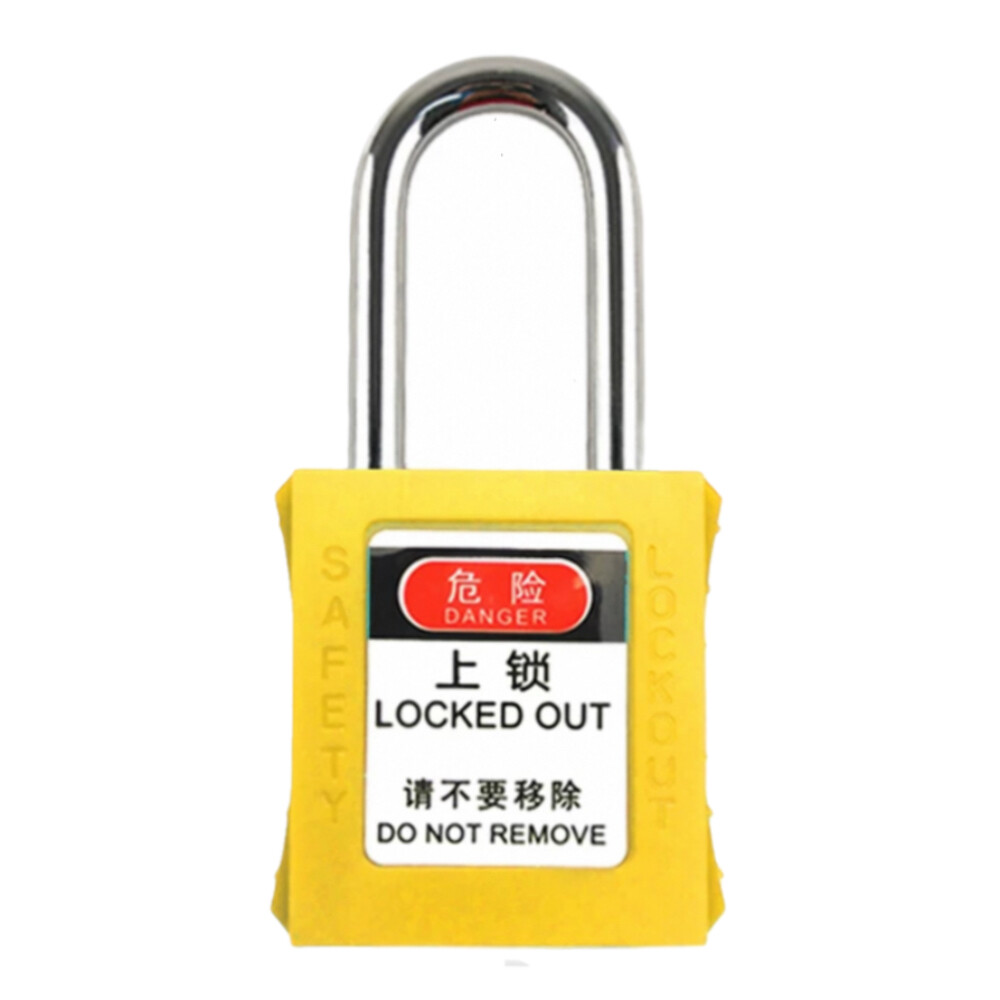
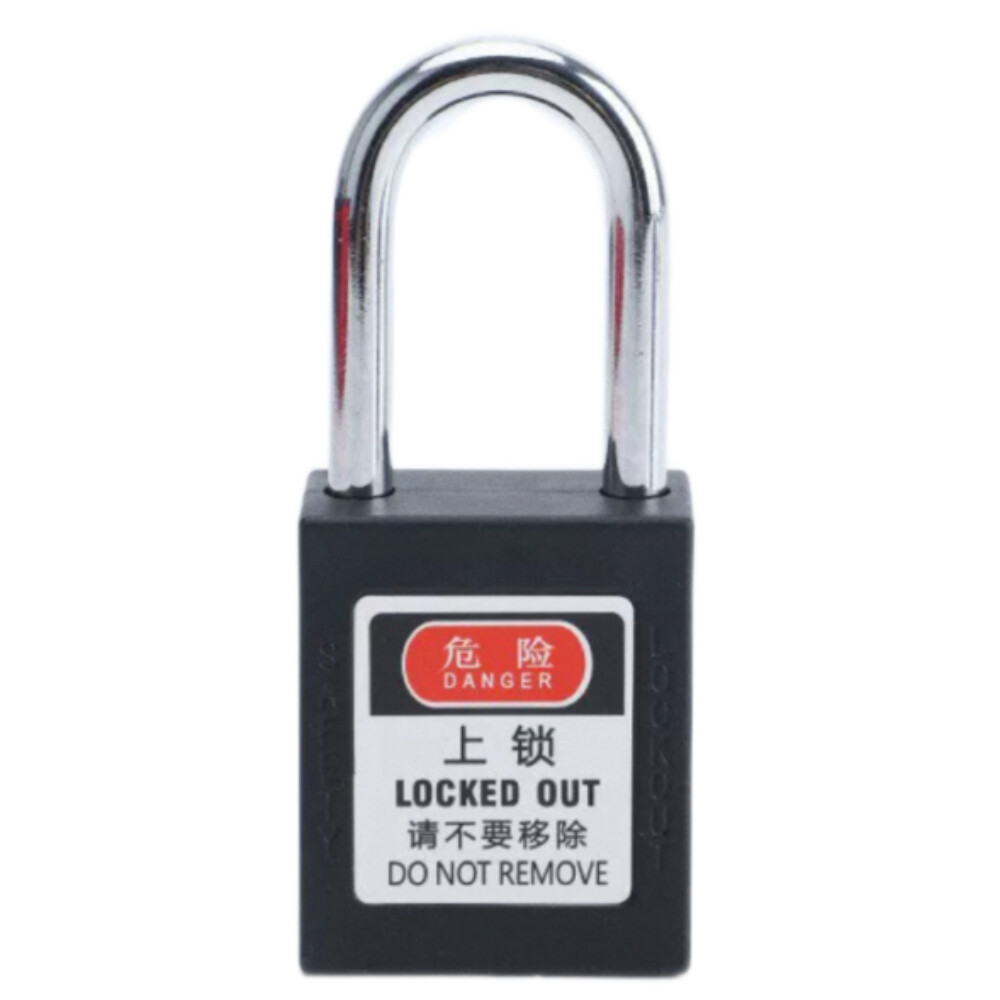
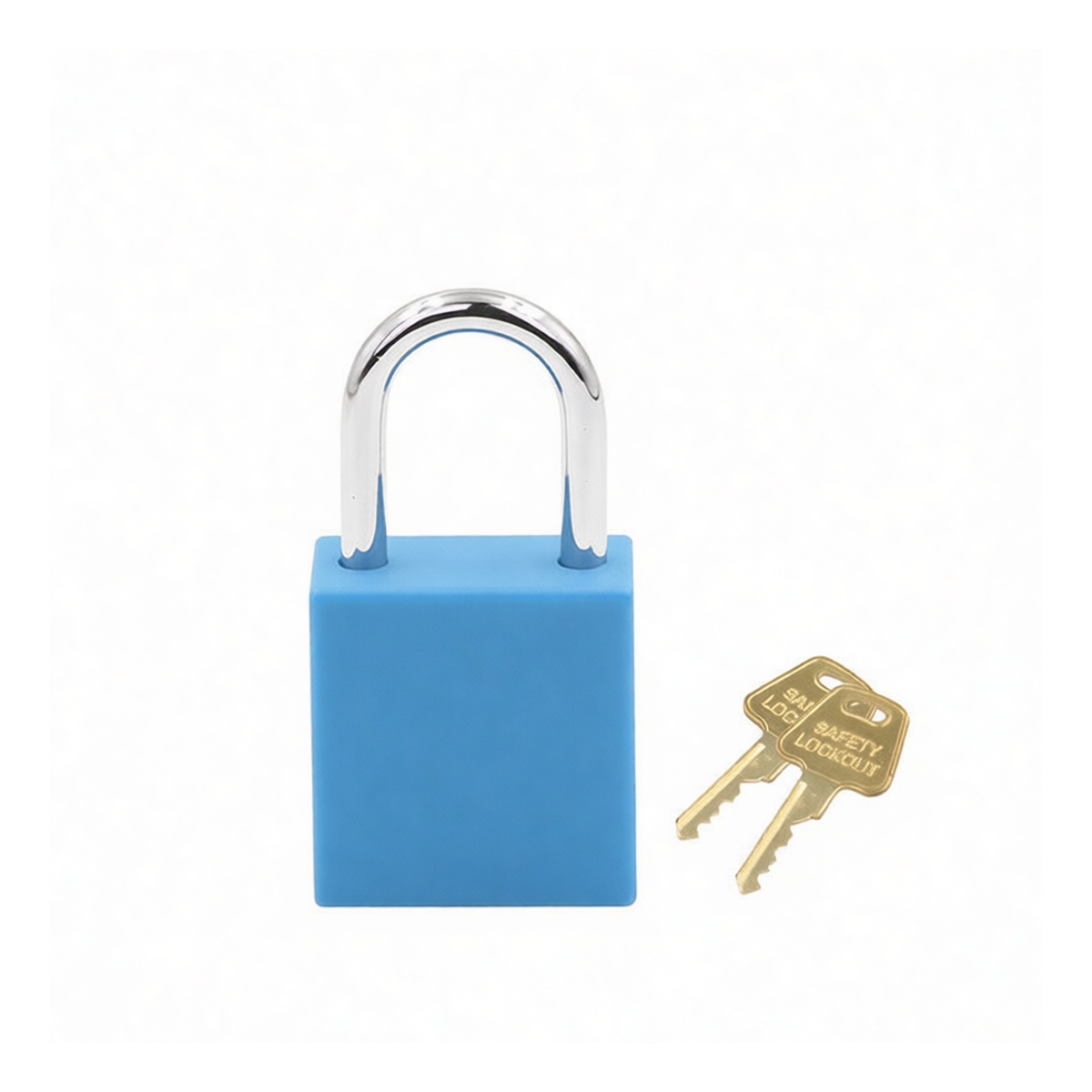
The HA Engineering Plastic Safety Padlock HA03101 is a specialized lock designed for lockout/tagout (LOTO) applications, featuring an insulated design and keyed different system. Constructed from durable engineering plastic in orange color, it is suitable for use in industrial, electrical, and maintenance settings to ensure equipment is safely locked out during servicing or maintenance, with enhanced electrical safety.
Usage Instructions
- Insert the key into the lock cylinder and turn it clockwise to unlock the padlock.
- Open the shackle and secure it to the energy-isolating device (e.g., an electrical switch, valve, or machine). Ensure the shackle is fully engaged.
- Close the shackle and turn the key counterclockwise to lock the padlock. Use the writable label to mark lockout information if needed.
- To unlock, insert the correct key and follow step 1.
Product Characteristics
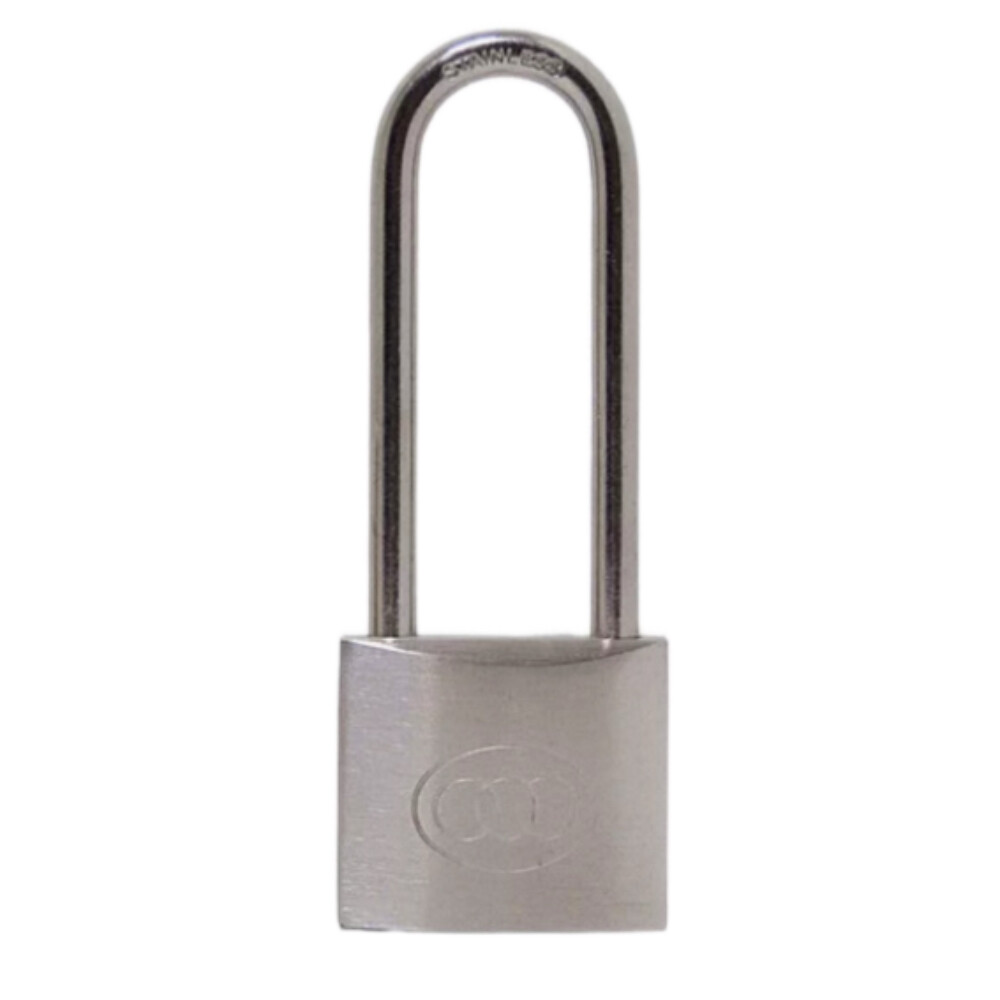
The padlock features a durable engineering plastic lock body (height 1.73 inches/44mm, width 1.5 inches/38mm) and a metal shackle (height 1.5 inches/38mm, diameter 0.22 inches/5.5mm), providing excellent durability and electrical insulation. The keyed different system means each lock has a unique key, preventing key duplication risks. The insulated design with a unique lock core prevents current transmission, making it safe for electrical lockout applications. The orange color offers high visibility, and the lock body has anti-slip stripes and a writable warning label. It can withstand a wide temperature range (-57℃ to +177℃) and is available in multiple colors, with options for engraving and different key systems (keyed alike, multi-level management).
Application Scenarios
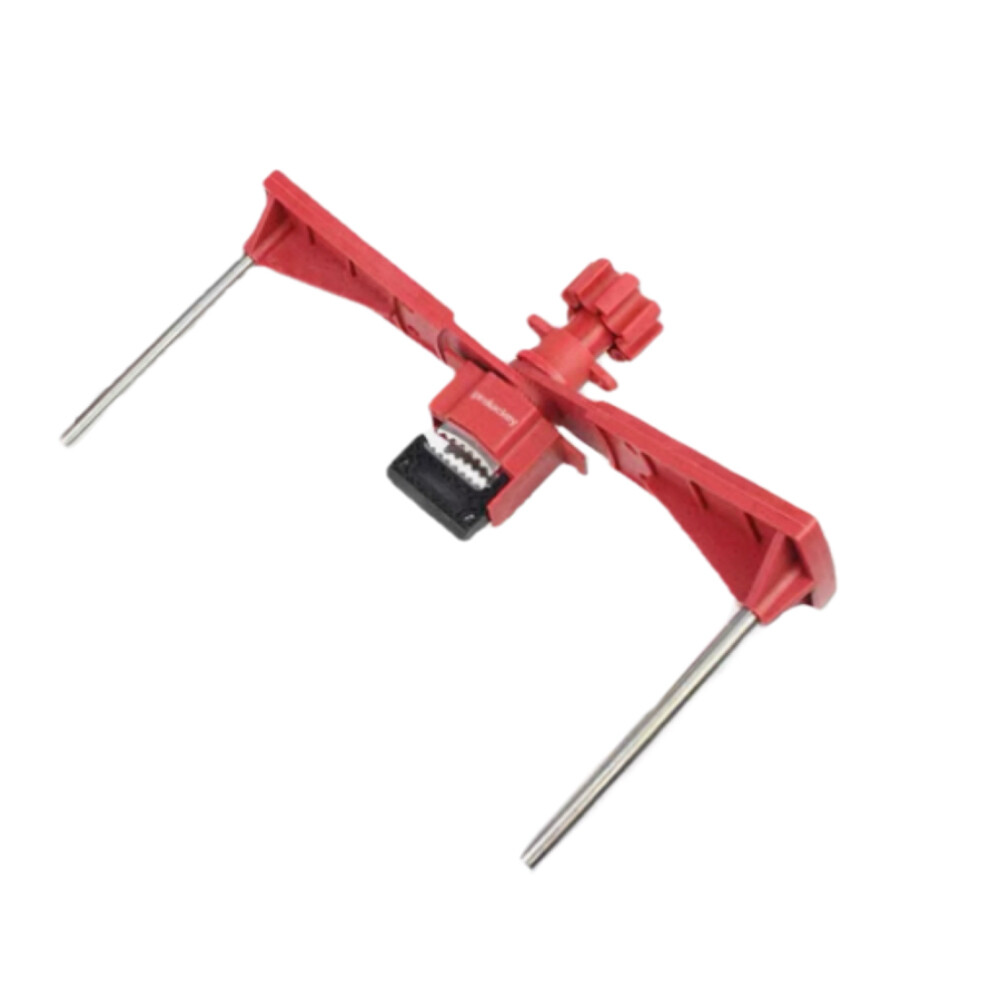
- Electrical Facilities: For locking out electrical panels, switches, and equipment during maintenance or repair.
- Industrial Plants: For implementing LOTO procedures on production lines in warehouses, factories, and malls.
- Any Environment Requiring Insulated Lockout: Where safety isolation of equipment with enhanced electrical protection and clear identification is necessary.