ADA Warning Pads
ADA Warning Pads provide tactile detection for pedestrians with visual impairments, ensuring compliance with accessibility standards. Our detectable warning products include cast-in-place tiles, surface-applied tiles, and replacement tiles for ramps, curb cuts, and transit...
2 products
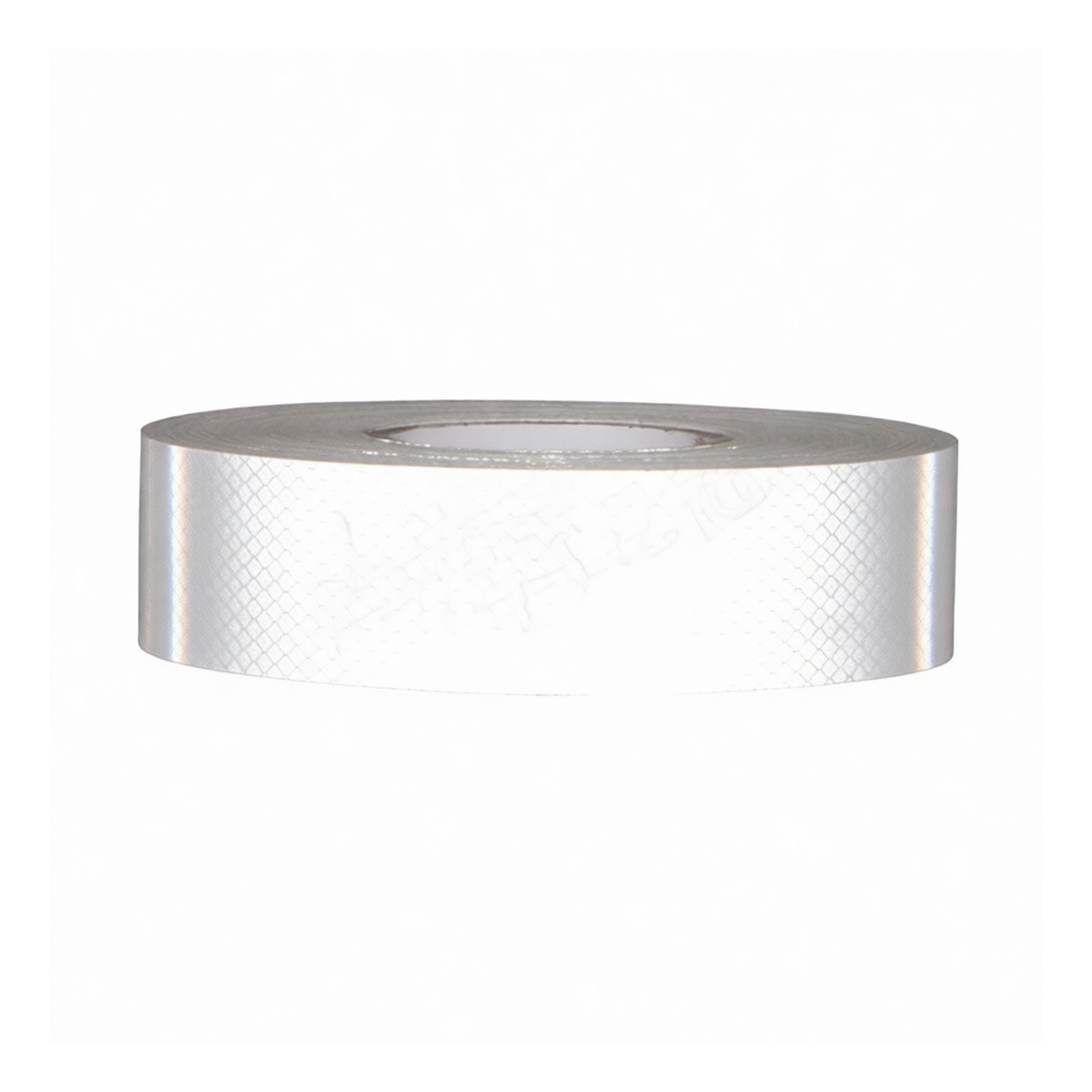
This ADA warning pad consists of a 0.79-inch by 6.56-foot roll of high-performance reflective sheeting with a pressure-sensitive adhesive backing. It provides a durable, highly visible warning surface for tactile paving applications, enhancing safety and compliance in public spaces. The material meets industry standards for such applications and is designed for straightforward installation onto clean, dry surfaces. Each package contains 20 individual rolls for efficient project deployment.
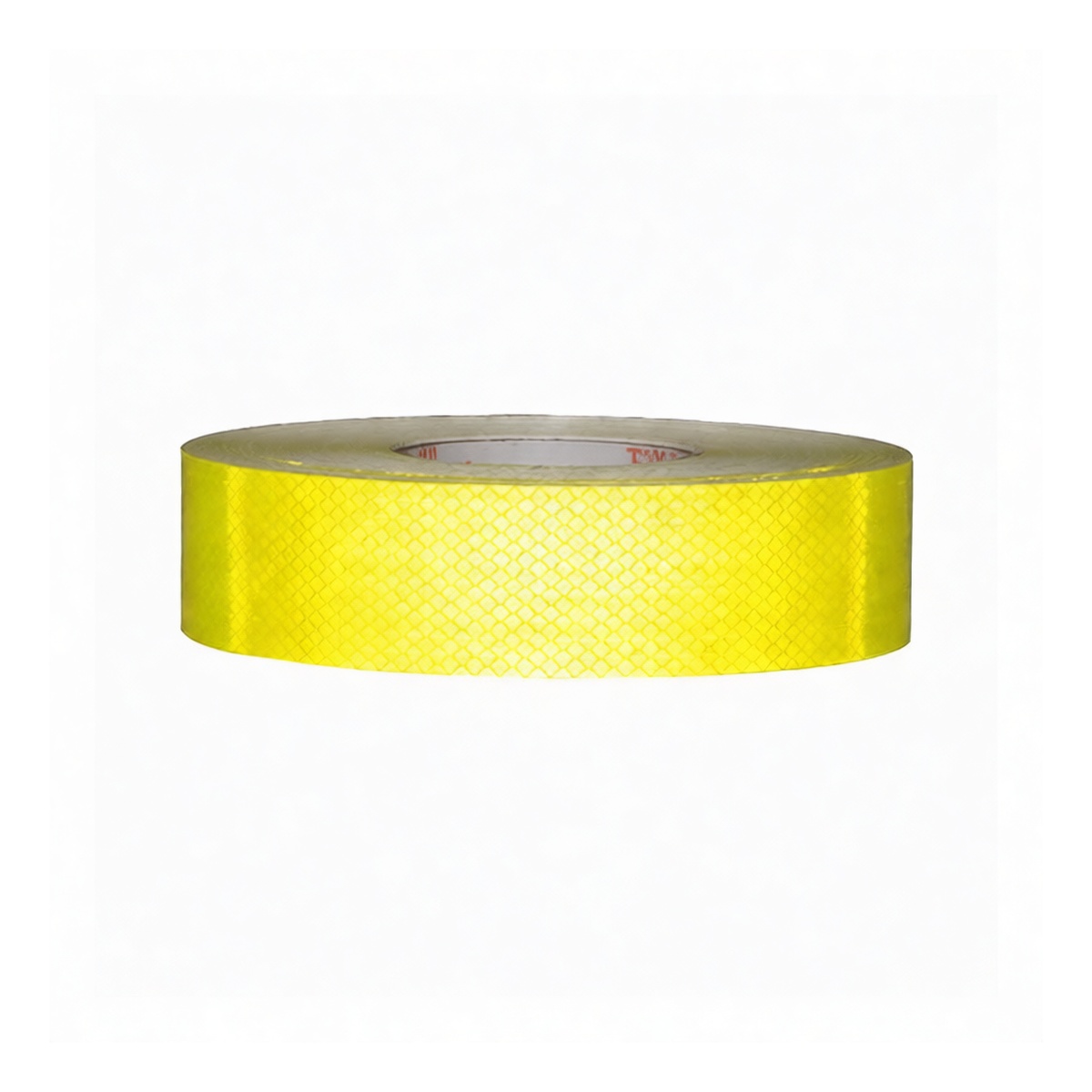
This Class 1 ANSI/ISEA compliant warning pad provides high-visibility demarcation for workplace hazards. The fluorescent yellow-green polyester material offers superior daytime conspicuity, while the pressure-sensitive adhesive ensures a secure, permanent bond to clean, dry surfaces. Each roll measures 0.79 inches wide by 6.56 feet long, providing a continuous strip for outlining steps, ramps, or low-profile obstacles to meet ADA and OSHA guidance for pedestrian safety.
How to Choose the Right ADA Warning Pads
Expert guidance for selecting the best products for your needs
How to Choose ADA Compliant Warning Pads
ADA detectable warning pads are essential for accessibility compliance and pedestrian safety. This guide provides specifications and selection criteria for compliant tactile warning surfaces.
ADA Compliance Requirements
The Americans with Disabilities Act requires detectable warnings on curb ramps, wheelchair ramps, and transit platform edges. Warning pads must meet specific requirements for dome size, spacing, contrast, and slip resistance as outlined in ADA Standards Section 705.
Material Selection
Cast-in-place tiles are embedded in concrete during construction for permanent installation. Surface-applied tiles adhere to existing concrete with epoxy or adhesive for retrofit applications. Replacement tiles allow individual damaged sections to be replaced without full reconstruction.
Color and Contrast
ADA requires visual contrast between the warning pad and surrounding walking surface. Common colors include yellow, red, brick tone, and gray. Contrast can be light-on-dark or dark-on-light. Choose colors that provide maximum visibility for your application.
Recommended Products
Frequently Asked Questions
Common questions about ADA Warning Pads
Still have questions?
[DEMO] Machrio supplies premium ada warning pads for industrial, commercial, and institutional customers. Our product range includes options for manufacturing, maintenance, and MRO applications. Browse our selection or request a quote for competitive pricing on bulk orders.